
Toilet Training Problems: When to Seek Professional Help
Child Not Responding to Name: Autism or Normal Behavior?
Health Alliance
July 6, 2026
Child Developmental
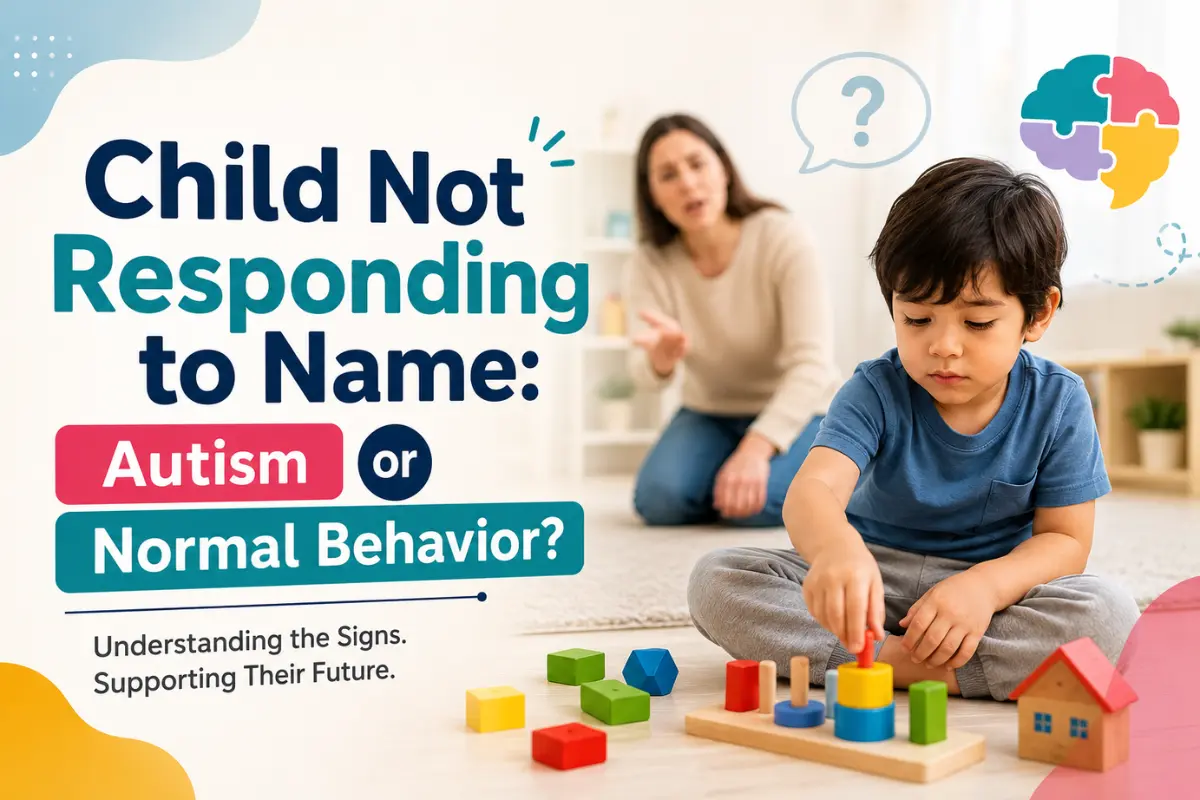
As parents, one of the most exciting moments is when your child begins to recognize and respond to their name. It is often a sign that they are becoming aware of the people and environment around them. However, if your child does not respond when called, it can raise concerns and lead many parents to wonder: Is this normal behavior, or could it be a sign of autism?
While not responding to a name can sometimes be associated with Autism Spectrum Disorder (ASD), it does not always indicate autism. There are several reasons why a child may not respond consistently, including hearing issues, developmental delays, distractions, or simply being deeply engaged in an activity.
In this blog, we will explore the reasons why children may not respond to their name, when it is considered normal, when parents should be concerned, and how professionals can help identify the underlying cause.
When Do Children Usually Respond to Their Name?
Most babies begin recognizing and responding to their name between 6 and 9 months of age. By their first birthday, many children will turn their head, make eye contact, smile, or react in some way when their name is called.
Typical responses may include:
- Looking toward the person calling them
- Smiling or vocalizing
- Stopping an activity briefly
- Crawling or walking toward the caller
- Making eye contact
However, every child develops at their own pace. Some children may respond consistently earlier, while others may take a little longer.
Is It Normal for a Child to Ignore Their Name Sometimes?
Yes. Even adults ignore their names occasionally when they are deeply focused on something. Children may not respond every single time they are called.
Common reasons include:
1. They Are Focused on Play
Toddlers often become fully absorbed in toys, videos, books, or activities. They may simply not notice that someone is calling them.
2. They Are Tired or Hungry
A child who is tired, hungry, or upset may be less likely to respond to external cues.
3. They Are Testing Boundaries
As children grow, they begin developing independence. Sometimes they hear their name but choose not to respond immediately.
4. Environmental Distractions
Loud noises, crowded places, television, or multiple people talking can affect a child’s attention.
Occasional lack of response is usually not a cause for concern. The concern arises when a child consistently does not respond across different situations and settings.
Is Not Responding to Name a Sign of Autism?
It can be, but it is not enough by itself to diagnose autism.
One of the early signs of Autism Spectrum Disorder (ASD) is reduced response to social cues, including a child’s name. Research has shown that many children later diagnosed with autism may demonstrate limited response to their name during infancy.
Children with autism may:
- Not turn toward the person calling them
- Seem unaware that someone is speaking to them
- Respond inconsistently even in quiet environments
- Show limited social interaction
- Have difficulty maintaining eye contact
- Display repetitive behaviors or restricted interests
However, not all children who ignore their name have autism, and not all autistic children exhibit this behavior in the same way.
A comprehensive developmental assessment is necessary before any diagnosis can be made.
Other Reasons a Child May Not Respond to Their Name
Hearing Difficulties
One of the first things professionals consider is whether the child can hear properly.
A child with hearing loss may:
- Not respond when called
- Have delayed speech development
- Frequently increase the volume of devices
- Respond only to loud sounds
A hearing assessment is often recommended when concerns arise.
Speech and Language Delays
Children with speech or language delays may have difficulty understanding verbal communication, including their name.
They may:
- Understand fewer words than expected for their age
- Use limited vocabulary
- Struggle to follow simple instructions
Early speech therapy can be highly beneficial in these cases.
Attention Difficulties
Some children have challenges with attention and concentration. They may become so focused on an activity that they fail to notice someone calling them.
This can occur in children with or without developmental conditions.
Sensory Processing Differences
Some children process sensory information differently. Even though their hearing ability is normal, they may not immediately grasp auditory information.
Occupational therapists often assess sensory processing challenges as part of a developmental evaluation.
Signs That Suggest Typical Development
Your child may simply be developing normally if they:
- Make eye contact frequently
- Smile and interact with family members
- Point to show interest
- Enjoy social games such as peek-a-boo
- Follow simple instructions
- Use gestures like waving or clapping
- Show interest in other children
- Respond sometimes, even if inconsistently
These social communication skills are important indicators of healthy development.
What Parents Can Do at Home
If you are concerned about your child’s response to their name, try the following strategies:
Get Close Before Calling
Move closer to your child and call their name in a clear, friendly voice.
Minimize Distractions
Turn off the television or reduce background noise when trying to gain their attention.
Use Positive Reinforcement
Praise your child when they respond appropriately.
For example:
“Great listening!” “Thank you for looking at Mommy!”
Make It Fun
Turn name response into a game. Call your child’s name and reward them with smiles, hugs, or favorite toys when they respond.
Encourage Face-to-Face Interaction
Spend time playing interactive games that promote eye contact and social engagement.
When to Seek Professional Help
It is a good idea to consult a pediatrician, developmental specialist, speech therapist, or occupational therapist if:
- Your child is over 12 months old and rarely responds to their name.
- Speech development seems delayed
- Social interaction appears limited
- You notice repetitive behaviors
- Your child avoids eye contact
- Developmental milestones are not being met
Early intervention can significantly improve communication, social skills, and overall development.
Importance of Early Assessment
Many parents hesitate to seek help because they hope their child will eventually outgrow the situation. While some developmental differences are completely normal, early screening allows specialists to identify any areas of concern and provide assistance if needed.
Ongoing research shows that children who receive early intervention often achieve better outcomes in language, social interaction, and daily activities.
Remember, undergoing an assessment does not necessarily mean your child has autism. The goal is simply to ensure the child receives the support needed to thrive.
Conclusion
If your child is not responding to their name, it does not automatically mean they have autism. Children may ignore their name for many reasons, including distraction, hearing difficulties, speech delays, sensory processing differences, or simply normal developmental variation.
However, if this behavior persists and is accompanied by other developmental issues—such as poor eye contact, delayed speech, or limited social interaction—then it is essential to seek advice from an expert.
Trust your own understanding and instincts as a parent. Paying attention, understanding the situation, and taking the right steps early on can make a significant difference in your child’s development and future success. If you have any concerns, consult a specialist who can provide advice and support tailored to your child’s specific needs.
References
- Centers for Disease Control and Prevention. Autism Spectrum Disorder (ASD): Signs and Symptoms: https://www.cdc.gov/autism
- National Institute of Mental Health. Autism Spectrum Disorder: https://www.nimh.nih.gov/health/topics/autism-spectrum-disorders-asd
- Autism Speaks. Early Signs of Autism: https://www.autismspeaks.org