

Toilet Training Problems: When to Seek Professional Help
How to Manage Tantrums in Toddlers
Health Alliance
March 7, 2026
Child Developmental
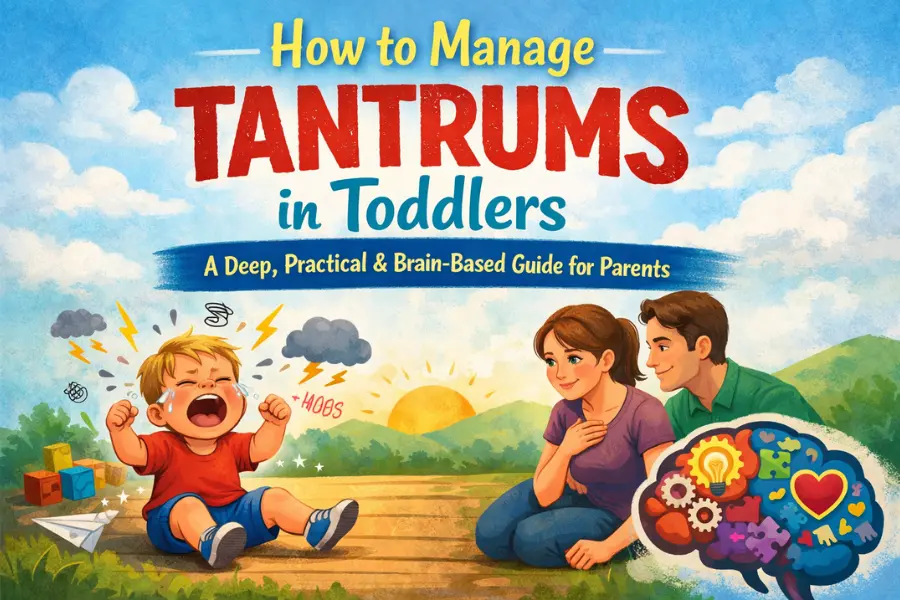
Tantrums are one of the most difficult and misunderstood parts of a child’s childhood. For many parents, toddler tantrums can seem sudden, overwhelming, and emotionally draining. One moment your child is calm, and the next they’re crying, screaming, kicking, or throwing themselves to the floor.
However, tantrums aren’t bad behavior, manipulation, or bad parenting. They’re a normal response to the brain’s development that’s still forming.
This article will provide a deeper, science-based understanding of child tantrums, along with step-by-step methods for managing them better, reducing their frequency, and supporting your child’s emotional development at home.
Understanding Toddler Tantrums: What’s Really Happening in the Brain
Toddlerhood (1–4 years) is a time of rapid brain growth, especially in areas related to emotions, movement, and independence. However, the brain systems responsible for self-control, reasoning, and emotional regulation are still immature.
In simple terms:
- Toddlers feel emotions strongly
- They don’t have the words to express their feelings.
- They can’t calm themselves down
When emotions overwhelm their ability to cope, the brain goes into a fight-or-flight response, leading to anger.
Why Tantrums Peak Around Age 2–3
This stage is often called the “terrible twos,” but it is more accurately a phase of:
- Growing independence
- Limited communication skills
- Desire for control without ability
The emotional brain is very active, while the thinking brain is still developing. This imbalance leads to frequent emotional outbursts.
Common Causes of Toddler Tantrums
Tantrums are usually caused by unmet needs or difficult situations, not by protest.
Common Triggers Include:
- Hunger or thirst
- Fatigue or poor sleep
- Overstimulation (noise, crowds, screens)
- Difficulty communicating needs
- Transitions (stopping play, leaving home)
- Frustration with tasks beyond ability
- Feeling powerless or restricted
Understanding the trigger helps parents respond with empathy rather than punishment.
Tantrum vs. Meltdown: Knowing the Difference
Not all emotional outbursts are the same.
Tantrum | Meltdown |
Emotional reaction | Neurological overload |
Child seeks response | Child is overwhelmed |
Stops with regulation | Needs calm & space |
Often goal-oriented | Not intentional |
Meltdowns are more common in children with sensory sensitivities and require less stimulation, not discipline.
What NOT to Do During a Tantrum
Many common reactions unintentionally worsen tantrums.
Avoid:
- Yelling or threatening
- Shaming (“Big kids don’t cry”)
- Dismissing emotions (“Stop crying”)
- Reasoning or lecturing mid-tantrum
- Giving in every time to stop the behavior
These responses increase stress hormones and teach children that emotions are unsafe or unacceptable.
What To Do During a Tantrum: Step-by-Step Guidance
- Regulate Yourself First
Children borrow emotional regulation from adults.
- Take slow breaths
- Lower your voice
- Relax facial expressions
A calm adult nervous system helps calm a child’s nervous system.
- Acknowledge and Name the Emotion
Naming emotions helps shift activity from the emotional brain to the thinking brain.
Use phrases like:
- “You’re feeling very angry.”
- “That was frustrating for you.”
- “You’re upset because you wanted the toy.”
This does not mean agreeing with the behavior—it means validating the feeling.
- Ensure Safety
If your child is:
- Hitting → Gently block and say, “I won’t let you hit.”
- Throwing → Remove unsafe objects.
- Rolling on the floor → Move to a safe space.
Focus on safety, not silence.
- Offer Comfort or Space
Some toddlers want physical comfort; others need space.
Say:
- “I’m here with you.”
- “You can come for a hug when you’re ready.”
Follow your child’s cues.
- Wait for the Storm to Pass
Tantrums end when the nervous system resets—not through logic.
Most tantrums last 2–10 minutes when not escalated.
- Reconnect Before Correcting
Start with connection:
- Offer a hug
- Sit close
- Speak gently
Then guide:
- “You were very upset earlier.”
- “Next time, we can use words or ask for help.”
- Teach Emotional Skills Proactively
Emotional regulation must be taught outside of tantrums.
Daily practices:
- Label emotions during play
- Read books about feelings
- Practice deep breathing
- Use emotion charts or mirrors
Long-Term Strategies to Reduce Tantrums
- Create Predictable Routines
Routines give toddlers a sense of safety.
- Consistent sleep times
- Regular meals and snacks
- Predictable daily flow
A regulated body supports a regulated brain.
- Prepare for Transitions
Transitions are hard for toddlers.
Try:
- Countdown warnings (“5 minutes more”)
- Visual timers
- Transition songs
- Offer Limited Choices
Choices provide independence without overwhelm.
Instead of:
❌ “What do you want to wear?”
Try:
✅ “Red shirt or blue shirt?”
- Watch for Physical Needs
Many tantrums stem from basic needs.
Check:
- Is the child hungry?
- Are they overtired?
- Is the environment overstimulating?
- Model Emotional Regulation
Children learn by observing adults.
Say aloud:
- “I feel frustrated, so I’ll take a deep breath.”
- “I need a moment to calm down.”
Age-Wise Expectations
Age | Tantrum Frequency |
1–2 years | Very common |
2–3 years | Peak phase |
3–4 years | Gradual decrease |
4+ years | Improved self-control |
Persistent, intense tantrums beyond age 4 may require professional guidance.
When to Seek Professional Help
Consult a child development professional if tantrums:
- Last longer than 30 minutes regularly
- Involve self-injury or severe aggression
- Occur many times daily
- Are accompanied by developmental delays
Early support leads to better outcomes.
Why Tantrums Are Actually Important
Tantrums are signs of:
- Emotional development
- Growing independence
- Learning boundaries
Children who are supported through tantrums develop:
- Better emotional intelligence
- Stronger coping skills
- Secure attachment with caregivers
Final Thoughts for Parents
Tantrums are not failures—they are unfinished emotional skills.
Your role is not to control emotions, but to:
- Stay calm
- Stay connected
- Teach skills consistently
With patience, empathy, and structure, tantrums decrease—and your child grows into an emotionally resilient individual.
Remember:
- Connection builds regulation.
- Regulation builds resilience.
- Resilience builds lifelong mental health.