

Toilet Training Problems: When to Seek Professional Help
What is Sensory Integration Therapy?
Health Alliance
April 25, 2026
Sensory Integration Therapy
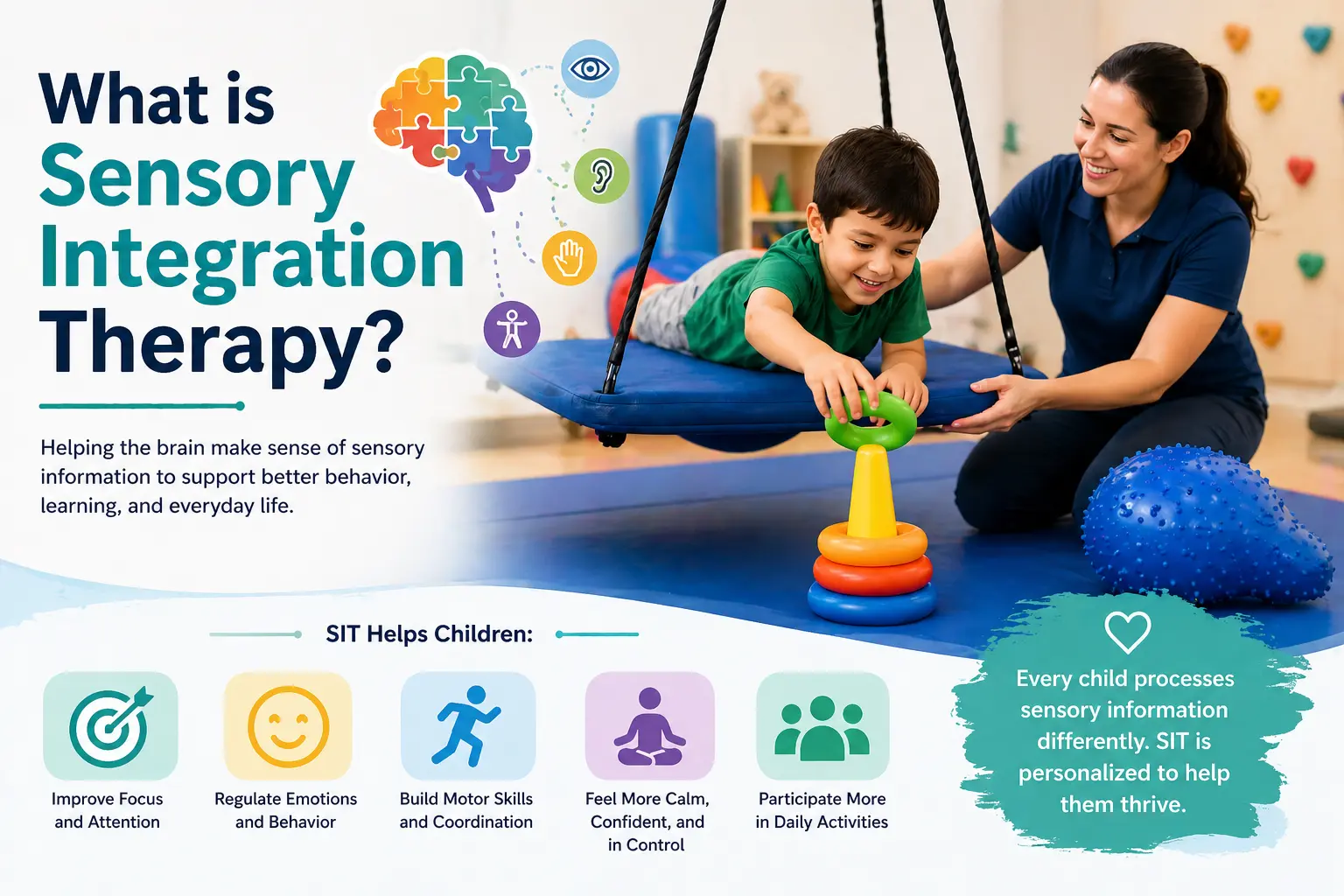
Sensory Integration Therapy (SIT) is a specialized therapeutic approach designed to help children process and respond to sensory information more effectively. Every day, children encounter a variety of sensory inputs—touch, sound, sight, movement, taste, and smell. While most children naturally learn to organize and respond to these sensations, some experience challenges that affect their behavior, learning, and development. Sensory Integration Therapy provides structured activities that help children improve how their brain processes sensory input, ultimately enhancing their overall functioning and quality of life.
What is Sensory Integration Therapy?
Sensory Integration Therapy is based on the concept of sensory processing, a neurological process where the brain receives, organizes, and interprets sensory information from the body and environment. When this process does not function properly, children may experience what is commonly referred to as Sensory Processing Disorder (SPD).
Children with sensory processing difficulties may:
- Overreact to sounds, textures, or lights
- Underreact to sensory input and seem unresponsive
- Seek excessive sensory stimulation (e.g., spinning, jumping)
- Have difficulty with coordination and motor skills
Sensory Integration Therapy uses play-based activities to help children gradually adapt to sensory experiences and respond appropriately.
How Sensory Integration Therapy Works
Sensory Integration Therapy is typically conducted by trained occupational therapists in a safe, controlled environment. The therapy involves engaging children in activities that are tailored to their specific sensory needs.
Common therapy activities include:
- Swinging and spinning to improve balance and vestibular processing
- Playing with textured materials like sand, clay, or foam
- Climbing and jumping exercises for proprioceptive input
- Obstacle courses to enhance coordination and planning
- Deep pressure activities such as weighted blankets or brushing techniques
These activities are designed to challenge the child in a fun and supportive way, encouraging the brain to form new connections and improve sensory processing over time.
Causes of These Behavioral Habits
Improved Sensory Processing
One of the primary benefits of Sensory Integration Therapy is improved ability to process sensory input. Children become better at interpreting stimuli such as sounds, touch, and movement, which helps them respond more appropriately in everyday situations.
For example, a child who previously found loud noises overwhelming may gradually become more tolerant and less anxious in noisy environments like classrooms.
Enhanced Motor Skills and Coordination
Many children with sensory challenges struggle with motor skills, including balance, coordination, and body awareness. Sensory Integration Therapy helps strengthen these skills through activities that engage muscles and joints.
Improved motor skills can lead to:
- Better handwriting
- Improved posture
- Enhanced participation in sports and physical activities
Better Focus and Attention
Children who have difficulty processing sensory information often struggle to concentrate. They may be easily distracted or overwhelmed by their environment.
Sensory Integration Therapy helps regulate sensory input, enabling children to:
- Stay focused on tasks
- Follow instructions more effectively
- Improve academic performance
Emotional Regulation and Behavior Improvement
Sensory challenges can lead to frustration, anxiety, and behavioral issues. Children may have meltdowns or become withdrawn when overwhelmed by sensory input.
Through therapy, children learn to:
- Recognize their sensory triggers
- Develop coping strategies
- Manage emotions more effectively
This leads to improved behavior both at home and in school settings.
Increased Independence in Daily Activities
Everyday tasks such as dressing, eating, and grooming can be difficult for children with sensory processing issues. Sensory Integration Therapy helps children become more comfortable with different sensations involved in these activities.
As a result, children gain:
- Greater independence
- Increased confidence
- Improved self-care skills
Boost in Social Skills
Sensory difficulties can impact a child’s ability to interact with peers. They may avoid group activities, struggle with personal space, or have trouble understanding social cues.
Therapy helps children:
- Feel more comfortable in social environments
- Participate in group activities
- Improve communication and interaction skills
Support for Developmental Disorders
Sensory Integration Therapy is particularly beneficial for children with developmental conditions such as:
- Autism Spectrum Disorder (ASD)
- Attention-Deficit/Hyperactivity Disorder (ADHD)
- Developmental delays
- Learning disabilities
It complements other therapies by addressing sensory-related challenges that may interfere with progress in other areas.
Signs Your Child May Benefit from Sensory Integration Therapy
Parents and caregivers should watch for signs that may indicate sensory processing difficulties:
- Avoiding certain textures in food or clothing
- Sensitivity to loud noises or bright lights
- Difficulty sitting still or constant movement
- Poor coordination or frequent falls
- Trouble focusing or following directions
- Extreme reactions to touch
If these signs are present, consulting an occupational therapist can help determine whether Sensory Integration Therapy is appropriate.
Role of Parents and Caregivers
Parents play a crucial role in supporting Sensory Integration Therapy. Therapists often provide home-based activities and strategies to reinforce therapy sessions.
Tips for parents:
- Create a sensory-friendly environment at home
- Maintain a consistent routine
- Encourage play-based sensory activities
- Communicate regularly with therapists
- Be patient and supportive
Consistency between therapy sessions and home routines helps children progress more effectively.
Effectiveness of Sensory Integration Therapy
Research and clinical experience suggest that Sensory Integration Therapy can significantly improve a child’s ability to process sensory information and function in daily life. However, outcomes may vary depending on the child’s specific needs, the severity of sensory challenges, and the consistency of therapy.
It is important to note that Sensory Integration Therapy is most effective when:
- Conducted by trained professionals
- Customized to the child’s needs
- Combined with other therapeutic approaches when necessary
Sensory Integration Therapy in Educational Settings
Many schools now incorporate sensory strategies to support children with sensory needs. This may include:
- Sensory breaks during the school day
- Quiet spaces for relaxation
- Use of sensory tools like fidget toys or weighted items
- Structured routines to reduce sensory overload
These accommodations help children stay engaged and succeed academically.
Long-Term Impact on Child Development
The benefits of Sensory Integration Therapy extend beyond immediate improvements. Over time, children develop stronger neural connections that support:
- Better learning abilities
- Improved social relationships
- Enhanced emotional resilience
- Greater independence
Early intervention is key to maximizing these long-term benefits. The earlier sensory challenges are addressed, the better the outcomes for the child’s development.
Conclusion
Sensory Integration Therapy is a powerful tool that helps children overcome sensory processing challenges and thrive in their daily lives. By improving how the brain processes sensory information, this therapy supports better behavior, learning, emotional regulation, and social interaction.
For parents, recognizing the signs early and seeking professional help can make a significant difference in a child’s growth and development. With the right support, children can build confidence, gain independence, and reach their full potential.
Sensory Integration Therapy is not just about managing difficulties—it is about empowering children to experience the world in a more balanced and meaningful way.